%2Ffit-in%2F250x250%2Fguide_websites%2F28588%2Fimages%2F1742568100157dalle2025-03-2122.41.24-ahigh-qualityfishinglogoforsaltycedaroutdoorsbasedinpensacolafl.thedesignfeaturesaredfishasthecentralelementwithacedartree.webp&w=1920&q=100)
Redfish & King Mackerel Catch in Pensacola FL
Inshore Fishing in Pensacola - Species and Techniques
%2F%2Fusers%2F761ffd07-5018-4d63-820a-f90f13b30924%2Fimages%2Fpensacola-redfish-king-mackerel-catch-2752.jpg&w=1920&q=75)
Fishing Charter by Captain Clay Hinton in July
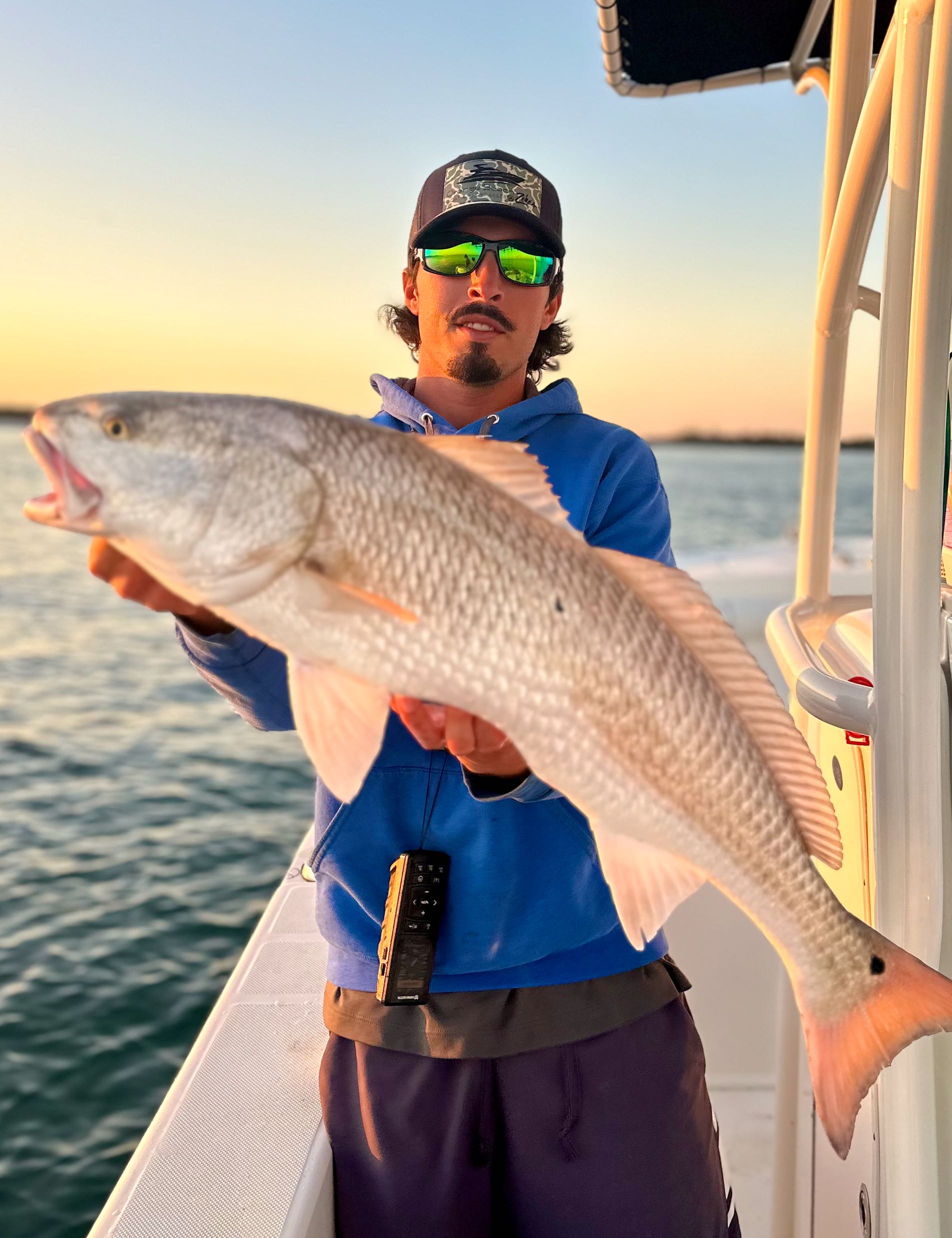
- Join Captain Clay on the Emerald Coast


Summary
Experience a productive fishing charter in Pensacola, FL where Captain Clay Hinton of Salty Cedar Charters delivers consistent action on redfish, king mackerel, and grey snapper. This Monday in July outing showcases the diverse species and techniques that define local inshore and nearshore fishing.
Fishing Charter with Captain Clay Hinton - Rates & Booking
Captain Clay Hinton of Salty Cedar Charters was on the water Monday, July operating out of Pensacola, FL. This fishing charter targets the productive inshore and nearshore grounds that make the Emerald Coast renowned among serious anglers. To book your charter and discuss current conditions, availability, and specific species preferences, contact Salty Cedar Charters directly for current rates and package details.
Highlights of Pensacola Fishing Charters
The waters around Pensacola support an exceptional variety of game fish species throughout the year. Redfish dominate the shallow flats and estuaries, while king mackerel and grey snapper respond well to live bait and trolling presentations in slightly deeper offshore waters. The combination of protected bays, grass flats, and nearshore structure creates diverse fishing opportunities within a short run from the dock.
What makes fishing in this region distinctive is the consistent availability of multiple species during a single outing. Anglers often transition between different techniques and target zones during the day, keeping the experience dynamic and rewarding regardless of individual fish preference.
Local Species Insights: Redfish, King Mackerel & Grey Snapper
Redfish are the cornerstone of Pensacola fishing. These bronze-colored powerhouses inhabit shallow grass flats, oyster bars, and tidal channels where they hunt crustaceans and small baitfish. Redfish respond aggressively to sight casting and can be sight-fished in water as shallow as 12 inches. Their acrobatic runs and stubborn head-shaking make them premium targets for light tackle enthusiasts. In July, redfish are active during morning and late afternoon hours, with peak feeding around tide changes.
King mackerel represent the offshore element of Pensacola charters. These sleek predators patrol slightly deeper waters and structure, responding well to live bonito, mullet, and other substantial baits. Their explosive strikes and powerful runs create memorable moments. Mackerel are less finicky than some species but do benefit from proper presentation and understanding seasonal depth preferences.
Grey snapper occupy the middle ground between shallow inshore and deep offshore zones. These intelligent bottom dwellers respond to careful bait placement and smaller presentations. Snapper fishing requires patience and precision, but produces consistent results and solid table-quality fish. Their habitat around structure means careful line management and proper technique maximize hook-up rates.
The three-species combination on a single outing reflects the fishing versatility available from Pensacola. Charter success depends on understanding seasonal patterns, tide schedules, and which species are most active during specific water temperature and light conditions. July presents excellent opportunities across all three species when pressure and timing align correctly.
Why Fish Pensacola with Captain Clay Hinton
Local expertise matters significantly in saltwater fishing. Captain Hinton's familiarity with seasonal movements, productive structure, and current conditions translates directly into more fish encounters and better success rates. Working with an experienced, licensed guide eliminates the learning curve and positions you for a genuinely productive day on the water. Salty Cedar Charters operates the professional infrastructure necessary for consistent, comfortable fishing - proper tackle, safety equipment, and knowledge of the best current grounds.
Fishing in Emerald Coast: King Mackerel, Grey Snapper and Redfish
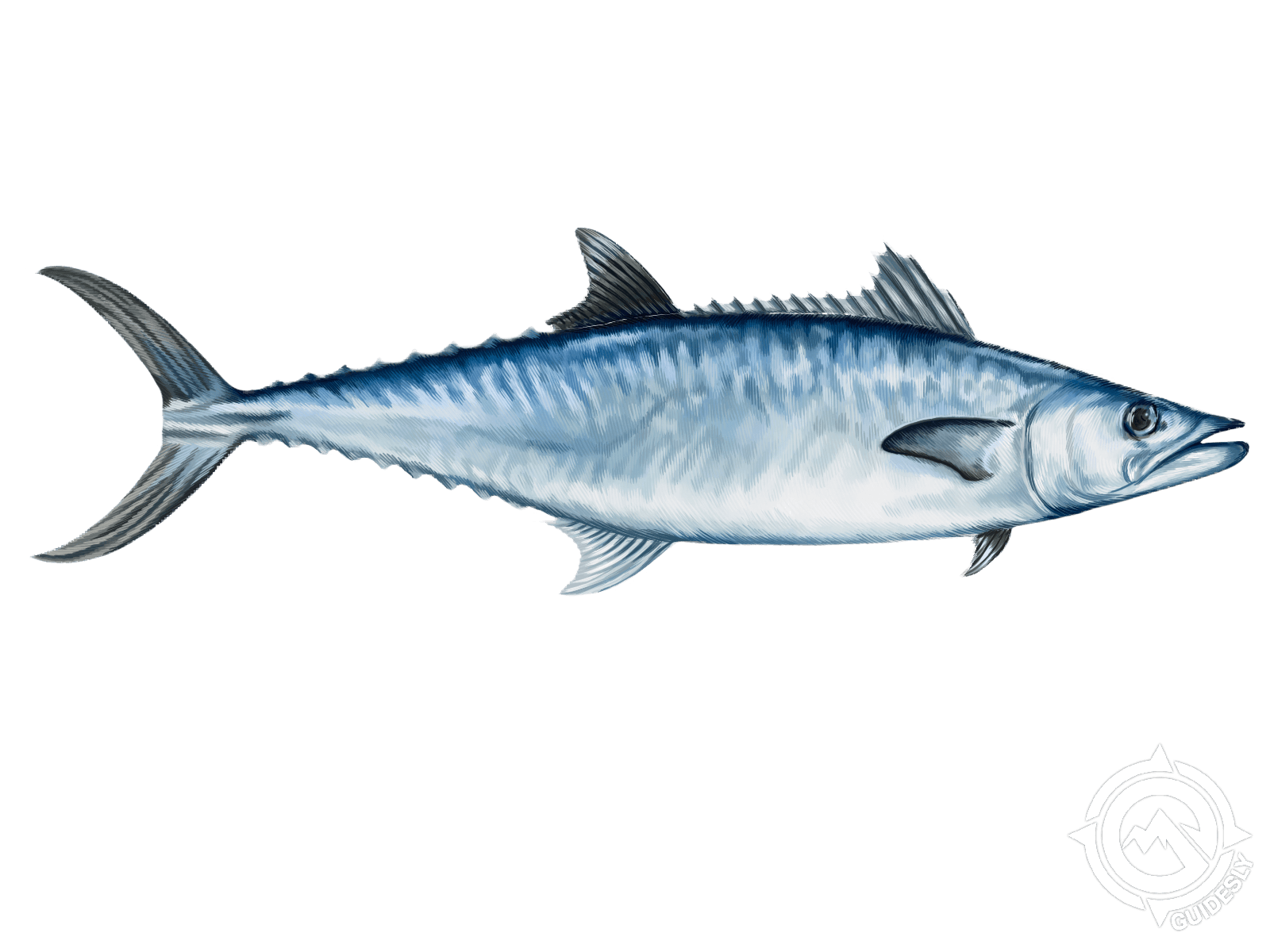
King Mackerel Overview
The King Mackerel (Scomberomorus cavalla) is a prized saltwater gamefish belonging to the family Scombridae and order Perciformes. Also known as Kingfish or Spanish Mackerel, this migratory powerhouse is famous among anglers for its lightning-fast runs and aggressive strikes. What makes the King Mackerel instantly recognizable are its small, loosely attached scales covering an olive-green back that contrasts beautifully with a silvery-white belly and shimmering, rosy iridescent sides. Younger specimens sometimes display brownish or yellowish spots on their flanks. Native to subtropical waters, King Mackerel are found throughout the Atlantic Coast and Gulf of Mexico, with particularly strong populations near North Carolina and Brazil. If you've ever chased a silver bullet through the water off the coast, chances are you've tangled with one of these magnificent fish.
King Mackerel Habitat and Distribution
King Mackerel are subtropical specialists that thrive in warm Atlantic and Gulf waters, ranging from the Gulf of Maine down through North Carolina, the entire Gulf of Mexico, and extending to Brazil—especially around Rio de Janeiro where they're incredibly abundant. These fish are also found in the Bay of Bengal and throughout the Indian Ocean and Arabian Sea. They prefer depths between 40 and 150 feet during normal conditions, though larger specimens often venture inshore to harbors and inlet waters as deep as 590 feet. Water temperature is crucial to their distribution; they're most active and concentrated in waters ranging from 68 to 84°F. Understanding these depth and temperature preferences is essential for anyone planning a King Mackerel fishing adventure along the Atlantic coast.
King Mackerel Size and Weight
King Mackerel are considered medium-sized fish, with a typical size range of 19 to 72 inches in length. Most caught specimens weigh between 10 and 20 pounds, though specimens commonly reach 30 pounds, and trophy-sized individuals have exceeded 90 pounds. An interesting biological detail: females significantly outweigh males at the same age. For example, a seven-year-old female King Mackerel might tip the scales at 22 pounds, while a male of identical age weighs only about 11 pounds. This sexual dimorphism in growth rates makes trophy hunting for larger specimens a realistic goal for dedicated anglers in coastal regions from North Carolina to Texas.
King Mackerel Diet and Behavior
As an opportunistic carnivore with an almost legendary voracious appetite, the King Mackerel is an aggressive hunter that feeds on a varied menu depending on seasonal availability. Their diet includes Blue Runner, Northern Mackerel, Striped Anchovy, Weakfish, Cutlassfish, Jack, Menhaden, and squid. What makes these fish particularly thrilling for anglers is their explosive feeding behavior—they're known to strike with extreme aggression and make blistering runs that can strip line from even well-spooled reels. Their teeth are notably similar to those of Bluefish, making them formidable predators capable of inflicting serious damage to bait and lures alike. King Mackerel behavior varies seasonally with water temperature and bait availability; they're most active when waters warm and migratory baitfish move through their territories. Their speed is legendary and matched only by the Wahoo, their distant relative, making them one of the most exciting gamefish to pursue.
King Mackerel Spawning and Seasonal Activity
King Mackerel are broadcast spawners, releasing sperm and eggs into the water column where fertilization occurs by chance. One of the most remarkable aspects of their reproductive biology is the incredibly short incubation period—fertilized eggs hatch in less than a day! This rapid development strategy allows populations to capitalize on favorable feeding conditions. Their migratory patterns are closely tied to water temperature; as coastal waters warm in spring and early summer, King Mackerel move northward and into shallower waters, creating peak fishing opportunities. As fall arrives and water temperatures drop, they migrate southward to warmer Gulf waters and deeper offshore zones. Understanding these seasonal movements is critical for planning successful fishing trips, whether you're targeting them off North Carolina in summer or pursuing Gulf populations in winter.
King Mackerel Techniques for Observation and Capture
Trolling with Large Lures: The most effective method for King Mackerel involves trolling at speeds between 8 and 12 knots using large planers, heavy tackle rated for 30- to 50-pound test, and vibrant artificial lures in silver, chartreuse, or blue patterns. Trolling depths of 40 to 150 feet are ideal in most locations. Around North Carolina's Outer Banks, summer trolling from June through August produces consistent strikes as migratory populations move through these rich fishing grounds.
Live Bait Rigging: If live bait is your preference, use a strong metal leader and tie two hooks to maximize your chances. Attach the first hook (single or treble) through the live bait's mouth and nose, then place a second treble hook through the back or allow it to dangle freely. This rigging strategy accounts for King Mackerel's tendency to bite at the rear section of baitfish first. Live mullet, mackerel, and herring work exceptionally well and trigger aggressive strikes.
Jigging and Wreck Fishing: Vertical jigging over reefs, wrecks, and deep structure with metal jigs (2 to 4 ounces) is a highly productive approach, particularly in offshore zones. Drop your jig to structure, then employ aggressive jigging motions with rapid rod snaps. This method concentrates effort in high-probability zones and produces strikes from feeding fish holding in deeper water or around cover.
King Mackerel Culinary and Utilization Notes
King Mackerel has grayish flesh with relatively high fat content and was only marketed fresh commercially beginning in 2005. While the fish is edible, potential consumers should be aware that King Mackerel accumulates significant mercury levels—alongside Tilefish, Shark, and Swordfish—making it advisable for children and pregnant women to avoid or strictly limit consumption. For anglers who choose to keep their catch, the grayish meat is best prepared fresh and suited to grilling, baking, or smoking. The high oil content makes it forgiving to cook and provides good flavor when properly prepared. Many recreational anglers practice catch-and-release to preserve populations and avoid mercury exposure concerns while still enjoying the thrilling fight these powerful fish provide.
King Mackerel Frequently Asked Questions
Q: What is the best bait or lure for catching King Mackerel?
A: Live bait such as mullet, mackerel, and herring work exceptionally well when rigged on metal leaders with double hooks. For artificial lures, large spoons, plugs, and jigs in silver, chartreuse, or blue patterns fished on heavy 30- to 50-pound tackle produce consistent results. Trolling these artificials at 8 to 12 knots is the most popular method among experienced anglers.
Q: Where can I find King Mackerel near major coastal cities?
A: King Mackerel are abundant throughout the Atlantic Coast from Texas to North Carolina, with prime populations in the Gulf of Mexico and nearshore waters. Summer months bring them northward; the Outer Banks of North Carolina hosts excellent populations June through September. Gulf ports in Texas and Florida offer year-round opportunities, particularly in the deeper channels and offshore zones.
Q: How do I distinguish a King Mackerel from a Spanish Mackerel or Cero?
A: The key distinguishing feature is the lateral line pattern. On King Mackerel, the lateral line runs along the body but stops abruptly around mid-body. In contrast, Spanish Mackerel and Cero species have lateral lines that slope gradually downward from the gill cover all the way to the tail. Additionally, King Mackerel typically grow larger and have larger teeth relative to their cousins.
Q: Is King Mackerel good to eat?
A: King Mackerel has flavorful, oily flesh that takes well to grilling and smoking. However, be aware that this species accumulates mercury at concerning levels. The FDA recommends that children and pregnant women avoid consumption. For others, occasional consumption of fresh King Mackerel is generally considered acceptable, though catch-and-release is increasingly popular to preserve populations and avoid potential health concerns.
Q: When is the best time to catch King Mackerel?
A: The prime fishing season varies by location. Along the Atlantic, late spring through early fall (May through September) offers the most consistent action as water temperatures warm and fish move northward. In Gulf waters, December through March provides excellent opportunities as fish congregate in deeper, warmer zones. Early morning and late afternoon typically produce the most aggressive feeding.
Q: What tackle and equipment do I need for King Mackerel fishing?
A: Use heavy-duty saltwater rods rated for 30- to 50-pound test line paired with multiplier reels capable of holding 300+ yards of backing. A strong metal leader (60- to 100-pound test) is essential, as King Mackerel possess teeth similar to Bluefish and will bite through monofilament instantly. Incorporate quality ball bearings and swivels into your rigging to reduce line twist during trolling operations.
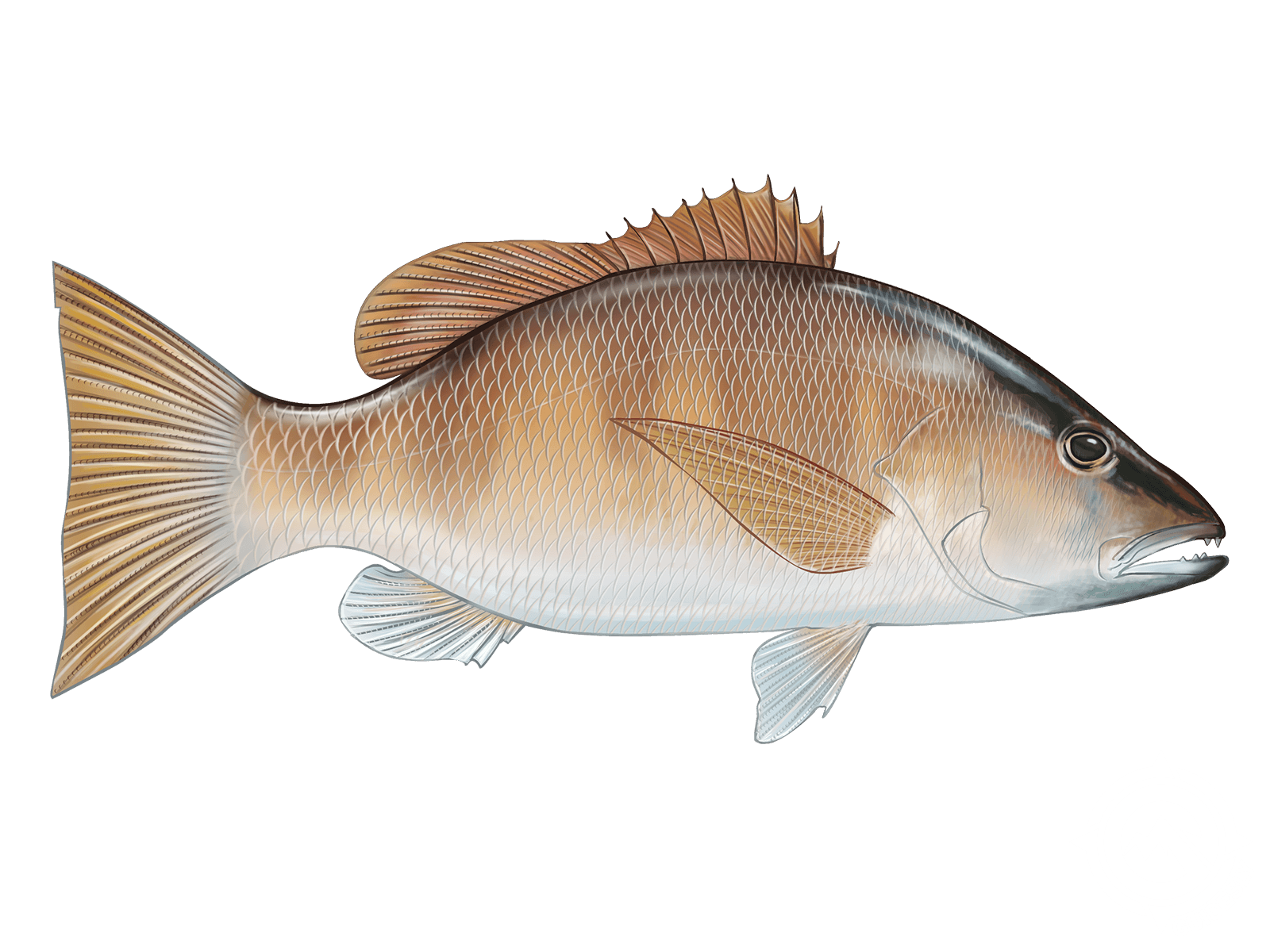
Grey Snapper Overview
The Grey Snapper, scientifically known as Lutjanus Griseus and commonly called the Mangrove Snapper, is a member of the Lutjanidae family within the order Perciformes. This remarkable fish is instantly recognizable by its striking greyish-red coloration that transitions from copper-red to brilliant red, along with a distinctive dark stripe running across its eye. With a pointed snout, thin lips, and small teeth, the Grey Snapper is one of the most abundant snapper species and a favorite among anglers and seafood enthusiasts alike. Found throughout warm to temperate waters from coastal reefs to mangrove-lined backcountry, this swift, nocturnal hunter is native to regions where it thrives as an opportunistic predator, making it a fascinating subject for both observation and fishing experiences.
Grey Snapper Habitat and Distribution
Grey Snappers are creatures of structure and cover, preferring environments rich with natural and artificial obstacles. They inhabit canals, grass flats, mangrove forests, rocky outcrops, shipwrecks, and debris fields in warm to temperate waters. These fish are distributed across onshore and nearshore reef systems, backcountry flats, rivers, and lakes where water conditions remain stable and prey is abundant. The species thrives in areas with strong water columns and complex bottom structures that provide ideal ambush points for their opportunistic hunting style. Whether you're exploring shallow backcountry regions or deeper reef systems, Grey Snappers are likely to be present in any location offering adequate cover and consistent food sources.
Grey Snapper Size and Weight
While Grey Snappers typically measure between 10 to 14 inches and weigh 1 to 2 pounds when found inshore, they can achieve significantly larger proportions in open water environments. Specimens caught offshore commonly reach weights of 20 pounds, though inshore fishing typically yields catches of 3 to 4 pounds. The size range for notable catches generally falls between 30 to 35 inches in length, with weights reaching up to 8 pounds in productive fishing waters. Juvenile Grey Snappers tend to display darker coloration than their adult counterparts, making them visually distinct at different life stages.
Grey Snapper Diet and Behavior
As opportunistic carnivores, Grey Snappers display flexible feeding habits and are most active during nighttime hours. Young specimens congregate near seagrass beds where they feast on a variety of crustaceans and smaller fish, while juveniles and adults alike will consume zooplankton when available. Their diet becomes increasingly piscine as they mature, focusing primarily on small fish and crustaceans. These swift swimmers are not aggressive toward humans but are highly effective ambush predators, using their speed and structural cover to seize feeding opportunities. The nocturnal nature of Grey Snappers means they feed and move most actively after sunset, making them particularly responsive to nighttime fishing efforts.
Grey Snapper Spawning and Seasonal Activity
Grey Snappers display remarkable reproductive behavior, spawning millions of eggs during full moon periods. This synchronized spawning pattern contributes to their status as the most abundant species within their genus, ensuring healthy population numbers across their range. The lunar-driven spawning cycle means that fishing success can vary depending on moon phases, with some anglers noting increased activity and feeding before and after major spawning events. Understanding these seasonal patterns can significantly enhance your chances of successful encounters with this prolific species.
Grey Snapper Techniques for Observation and Capture
Live Bait Method (Primary Technique): The most effective approach for catching Grey Snappers involves using live bait, particularly live shrimp or mud minnows. Thread your line through a bobber and tie it to a 4J hook, ensuring your line can withstand abrasion. Insert the hook through the tail of your shrimp rather than the head to maximize bait longevity. Allow your bait to sink to the bottom, then reel up slightly to prevent snagging. Position yourself at beach piers, docks, or near water column structures where Grey Snappers congregate. Since these fish are opportunistic hunters, avoid excessive bobbing or movement that might deter them. Wait patiently for a tug, then reel steadily to set the hook before slowly bringing your catch to the surface.
Structural Fishing (Secondary Technique): Target mangrove forests, rocky reefs, shipwrecks, and debris fields during both day and night. In open water, allow your bait to sink deep into reef systems to draw out larger specimens. The complex structure provides the cover these ambush predators prefer. Cast near pilings, undercut banks, and fallen trees in river and lake environments.
Timing and Location Insight: Around popular fishing destinations in coastal Florida and throughout the Gulf region, evening and night fishing during full moon periods often produces exceptional results. Early morning hours before sunrise also yield productive catches as nocturnal feeders transition back to deeper resting areas.
Grey Snapper Culinary and Utilization Notes
The Grey Snapper has earned a stellar reputation among seafood enthusiasts for its exceptional table qualities. The meat is prized for being white, flaky, and tender with a mild, delicate flavor that appeals to diverse palates. Rich in high-quality protein and omega-3 fatty acids, this snapper provides excellent nutritional value. The species' culinary popularity combined with its abundance makes it both a sustainable and delicious choice for coastal dining. Whether grilled whole, filleted and pan-seared, or prepared in traditional fish stews, the Grey Snapper delivers consistent culinary satisfaction.
Grey Snapper Frequently Asked Questions
Q: What is the best bait for catching Grey Snappers?
A: Live shrimp rigged through the tail and live mud minnows are the top choices recommended by experienced anglers. The key is keeping your bait alive and naturally presented near the bottom where these opportunistic hunters patrol.
Q: Where can I find Grey Snappers in coastal waters?
A: Look for them around mangrove forests, grass flats, rocky reefs, pilings, docks, and shipwrecks. In backcountry environments, structure is your best indicator of Grey Snapper presence. Around Florida's Gulf Coast and throughout southern coastal regions, these habitats consistently hold productive populations.
Q: Is the Grey Snapper good to eat?
A: Absolutely. The Grey Snapper is highly regarded for its white, flaky, tender meat with a mild flavor. It's an excellent eating fish with good nutritional value, making it a favorite among both recreational and commercial fishermen.
Q: When is the best time to catch Grey Snappers?
A: While Grey Snappers are active throughout the year, they are primarily nocturnal feeders, making evening, night, and early morning hours most productive. Full moon periods trigger spawning and often increase feeding activity, making them excellent target dates for fishing trips.
Q: How do I distinguish a Grey Snapper from a Cubera Snapper?
A: Open the fish's mouth and examine the tooth patch. Grey Snappers have a triangular-shaped tooth patch without extensions, while Cubera Snappers display an arrow-shaped patch with extensions. This distinctive difference is the most reliable identification method.
Q: What makes Grey Snappers different from other snapper species?
A: Beyond their unique tooth structure, Grey Snappers are distinguished by their greyish-red coloration, dark eye stripe, pointed snout, and thin lips. They're also more abundant than most other snapper species and prefer shallower, structure-rich environments like mangrove forests and grass flats.
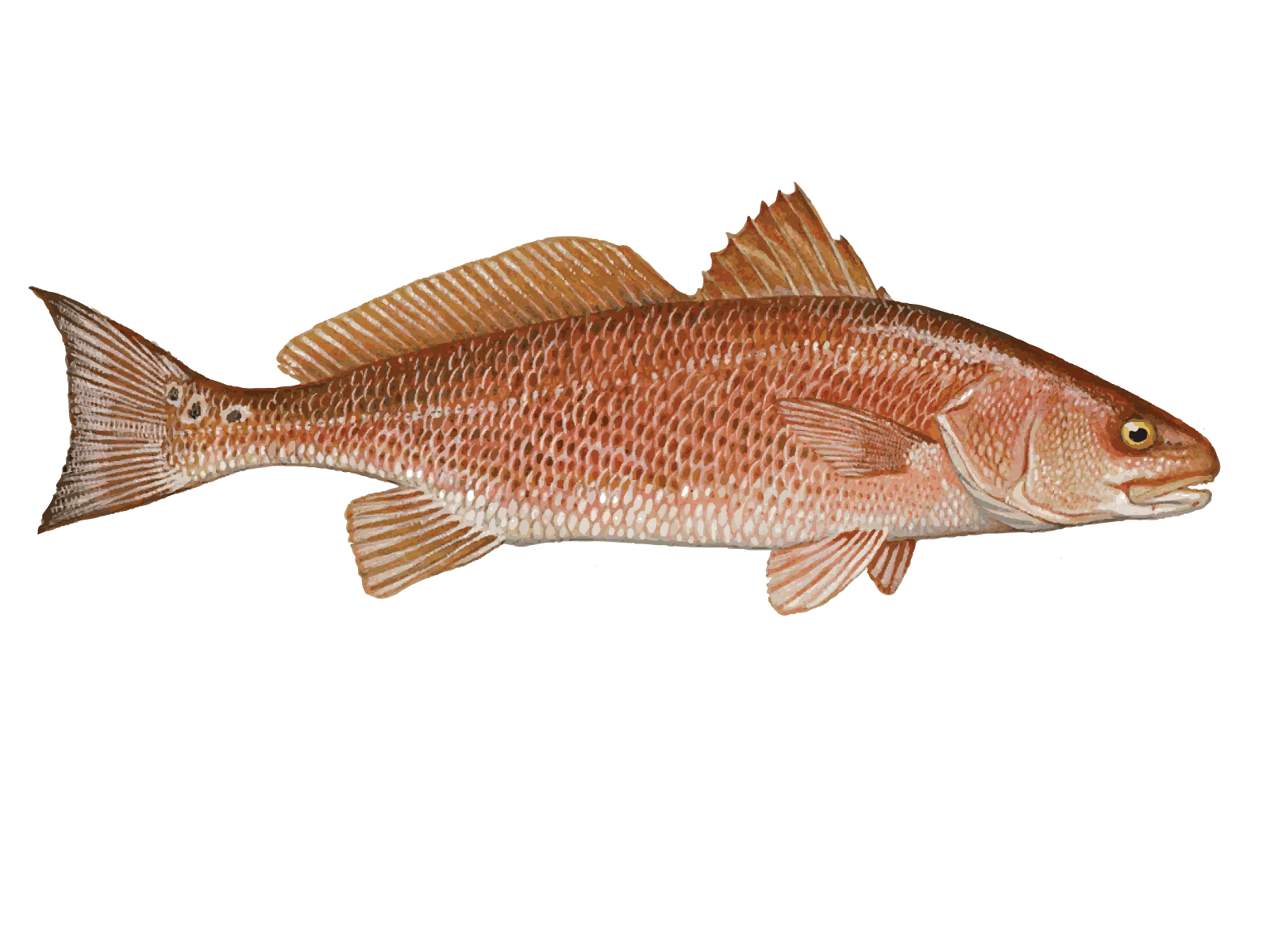
The Redfish (Sciaenops ocellatus), commonly known as Red Drum, belongs to the family Sciaenidae within the order Perciformes and stands as one of the most sought-after inshore game fish along the Atlantic coast. Distinguished by their characteristic copper-bronze coloration that fades to white on the belly and one or more distinctive black eyespots near the tail, these remarkable fish have captivated anglers for generations. The eyespots serve as a fascinating evolutionary adaptation, confusing predators into attacking the tail end rather than the head, allowing for quick escapes. With lifespans reaching up to 40 years and females capable of producing up to 3 million eggs in a single spawning event, Red Drum represent both resilience and abundance in coastal ecosystems.
Redfish Overview
Red Drum are quintessential shallow-water predators that thrive in the dynamic environments where fresh and saltwater meet. Found throughout the Atlantic coast from Massachusetts to northern Mexico, including the entire Gulf of Mexico, these fish have become synonymous with flats fishing and sight fishing opportunities. Their preference for extremely shallow water, often with their backs exposed above the surface, makes them ideal targets for both novice and experienced anglers. The species gained significant conservation attention in the 1980s when commercial overfishing threatened populations, leading to strict regulations that have successfully restored their numbers across most of their range.
Redfish Habitat and Distribution
These adaptable fish inhabit a diverse range of coastal environments, showing a strong preference for shallow bays, oyster reefs, grass flats, lagoons, and tidal creeks. They typically favor depths between 1 and 4 feet, though larger specimens venture into deeper nearshore waters. Red Drum demonstrate remarkable versatility in bottom preferences, thriving over mud, sand, and shell substrates while utilizing both natural vegetation like seagrass beds and artificial structures such as docks, piers, and jetties. Their distribution extends from the Chesapeake Bay region down through Florida and across the Gulf Coast, with some of the most productive fisheries found in Louisiana, Texas, North Carolina, and South Carolina waters.
Redfish Size and Weight
Adult Red Drum typically range from 30 to 61 inches in length, with weights commonly falling between 10 and 45 pounds, though exceptional specimens can exceed these parameters significantly. Sexual dimorphism is evident in mature fish, with females generally growing larger than males, averaging 33 inches compared to the male average of 28 inches. The species reaches sexual maturity between 3 to 5 years of age, after which growth rates vary considerably based on geographic location and environmental conditions. The current world record stands at an impressive 94 pounds 2 ounces, caught off the North Carolina coast, demonstrating the true potential size these fish can achieve in optimal conditions.
Redfish Diet and Behavior
Red Drum are opportunistic predators with voracious appetites, feeding primarily on crustaceans, mollusks, and small fish. Their diet includes blue crabs, shrimp, mullet, menhaden, and various bottom-dwelling invertebrates. They exhibit interesting feeding behaviors, often creating muddy plumes while rooting through soft bottoms in search of prey, a behavior that makes them visible to sight-fishing anglers. These fish demonstrate strong site fidelity, typically remaining within relatively small home ranges throughout their lives. They are most active during dawn and dusk periods, though feeding can occur throughout the day depending on tidal movements, weather conditions, and prey availability.
Redfish Spawning and Seasonal Activity
Spawning occurs in nearshore waters from late summer through early fall, typically between August and November, with peak activity varying by latitude. Mature fish migrate from their inshore habitats to deeper coastal waters where females release massive quantities of eggs in multiple spawning events. The fertilized eggs drift with currents for approximately 24 hours before hatching, with larvae eventually recruiting to shallow estuarine nursery areas. Seasonal movements are generally limited, though some populations show patterns of moving to slightly deeper water during extreme cold weather events. Juvenile fish remain in shallow nursery areas for their first few years before joining adult populations.
Redfish Techniques for Observation and Capture
Sight fishing represents the pinnacle of Red Drum angling, requiring polarized sunglasses, shallow-draft boats or wading gear, and the ability to spot fish in skinny water. Successful techniques include using topwater plugs like walk-the-dog style lures, soft plastic jigs resembling shrimp or crabs, and live bait such as shrimp, crabs, or cut mullet. Fly fishing enthusiasts achieve excellent results with weedless patterns in the 3 to 6-inch range, particularly crab and shrimp imitations. Around popular fishing destinations like Charleston, South Carolina, local guides recommend focusing on oyster bars during moving tides and grass flats during slack water periods. The key to consistent success lies in understanding tidal movements, as these fish are most active and predictable when water is moving.
Redfish Culinary and Utilization Notes
Red Drum offer excellent table fare when properly handled and prepared, featuring mild, slightly sweet white meat with a firm texture that adapts well to various cooking methods. The flesh contains high levels of protein and beneficial omega-3 fatty acids, along with essential vitamins and minerals including B12 and selenium. Smaller fish, often called "rat reds," typically provide the best eating quality, while larger breeding-size fish are often released to maintain population health. Popular preparation methods include grilling, blackening, baking, and frying, with the versatile meat absorbing seasonings and marinades effectively. Sustainable harvesting practices and adherence to size and bag limits ensure continued availability of this valuable food fish for future generations.
Redfish Frequently Asked Questions
Q: What is the best bait for catching Red Drum?
A: Live or fresh-dead shrimp consistently produces excellent results, followed closely by blue crab and cut mullet. For artificial lures, topwater plugs during low-light conditions and soft plastic jigs worked slowly along the bottom are highly effective choices that mimic natural prey items.
Q: Where can I find Red Drum near coastal areas?
A: Focus your efforts on shallow grass flats, oyster bars, tidal creeks, and areas where structure meets open water. Look for moving water during tide changes, and don't overlook extremely shallow areas where fish may be "tailing" or feeding with their backs exposed above the surface.
Q: Is Red Drum good to eat?
A: Absolutely, Red Drum provides excellent table fare with mild, sweet-tasting white meat that works well with various cooking methods. Smaller fish typically offer the best eating quality, while many anglers practice catch-and-release with larger breeding-size specimens to support population sustainability.
Q: When is the best time to catch Red Drum?
A: Early morning and late afternoon generally provide the most productive fishing, coinciding with natural feeding periods. Spring and fall months often yield the most consistent action, though these fish can be caught year-round in most of their range, with activity levels influenced by water temperature and tidal movements.